About
Scientific Advisory Board
Meet our Team

Pedram Hamrah, MD, FRCS, FARVO
Member of the Scientific Advisory Board
Pedram Hamrah, MD is the vice chair of academic medicine, director of clinical and translational research, and co-director of cornea services at the University of South Florida. Dr. Hamrah is an internationally recognized leader whose research, supported by multiple grants from The National Institutes of Health, has advanced understanding of corneal immunology and ocular surface disease. He joined the University of South Florida from Tufts University School of Medicine — where he was founding director of the Center for Translational Ocular Immunology, as well as professor and vice chair of research and academic programs — and Harvard Medical School before that. He is a cornea specialist, and clinician-scientist, with a focus on corneal immunology and neuroscience, ocular imaging (immuno-imaging), ocular surface diseases and corneal neuropathic pain. Throughout his career, he has focused on discovery, patient care and teaching. Dr. Hamrah currently serves on over a dozen editorial boards, is the associate editor for The Ocular Surface and TVST, section editor for Eye and assistant editor at Ocular Immunology and Inflammation.
Read more
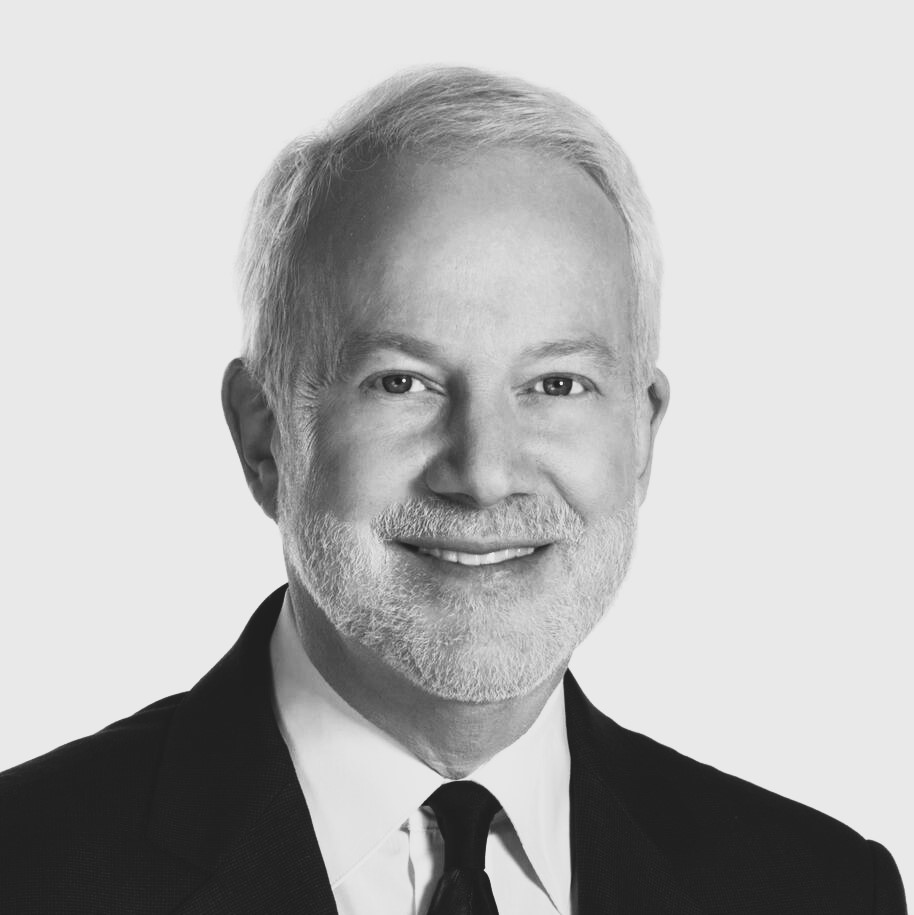
Jay S. Pepose, MD, PhD, FARVO
Member of the Scientific Advisory Board
Dr. Pepose, a specialist in refractive surgery and corneal and external diseases, is the founder and Medical Director of the Pepose Vision Institute and held the Bernard Becker Chair in Ophthalmology and Visual Sciences at Washington University School of Medicine in St. Louis. He is a consultant to numerous ophthalmic drug and device companies and serves as a Director and Chief Medical Advisor for Ocuphire Pharma. Dr. Pepose has been involved in over 40 clinical research trials, including registration trials for dry eye drugs, and has been the recipient of R-01 grant support from the National Eye Institute. He has served on the editorial boards of numerous prestigious journals, including the American Journal of Ophthalmology, Investigative Ophthalmology & Visual Science (IOVS), Cornea, and The Journal of Refractive Surgery and has over 200 peer reviewed publications. Dr. Pepose, an ARVO Gold Fellow, is a recipient of the Cogan Award from the Association for Research in Vision and Ophthalmology (ARVO) and the Life Achievement Honor Award from the American Academy of Ophthalmology. Dr. Pepose received an A.B. and M.A. in neurophysiology from Brandeis University and completed the M.D.-Ph.D. program at UCLA School of Medicine. He completed ophthalmology residency at the Wilmer Institute at the Johns Hopkins Medical Center and fellowship training at Georgetown University Medical Center.

Victor Perez, MD
Member of the Scientific Advisory Board
Dr Victor Perez is a Director of Cornea Research at Bascom Palmer Eye Institute, at the University of Miami Miller School of Medicine. He is a clinician-scientist investigator in the field of ocular immunology and ocular surface diseases and served as Director of Duke Eye Center’s Ocular Immunology Center before joining Bascom Palmer Eye Institute.

Anat Galor, MD
Member of the Scientific Advisory Board
Dr. Anat Galor is a cornea and uveitis trained specialist with dual appointments at the Bascom Palmer Eye Institute and the Miami VA medical center. Dr. Galor completed an ophthalmology residency at the Cole Eye Cleveland Clinic, a uveitis fellowship at the Wilmer Eye Institute, and a cornea and external diseases fellowship at Bascom Palmer Eye Institute. Dr. Galor currently runs the ocular surface pain program at the Bascom Palmer Eye Institute and the Miami VA and has focused her research on understanding mechanisms of pain in dry eye, with an emphasis on studying new diagnostic and treatment modalities.

Mina Massaro Giordano, MD
Member of the Scientific Advisory Board
Dr. Mina Massaro-Giordano is a nationally and internationally recognized leader in ocular surface disease and dry eye disease, with more than 25 years of dedicated clinical, academic, and research experience. She currently serves as Professor of Ophthalmology at NYU Grossman School of Medicine and as Director of the Dry Eye Service at NYU Langone Health, where she leads one of the premier multidisciplinary dry eye programs in the United States.
Dr. Massaro-Giordano specializes in the diagnosis and management of complex and refractory ocular surface disease, including evaporative and aqueous-deficient dry eye, meibomian gland dysfunction, autoimmune-associated dry eye, post-surgical dry eye, and neuropathic ocular pain. Her clinical approach emphasizes precision diagnostics, phenotyping of disease mechanisms, and individualized treatment strategies for patients with chronic, often debilitating symptoms.
Read more
Prior to joining NYU Langone, Dr. Massaro-Giordano spent nearly three decades on the faculty at the University of Pennsylvania, where she achieved the rank of Professor of Ophthalmology and played a key role in establishing and expanding the Penn Dry Eye and Ocular Surface Center. She has been widely recognized for pioneering a multidisciplinary care model for dry eye disease, integrating ophthalmology with rheumatology, dermatology, pain medicine, oculoplastics, and other specialties to address the systemic and neurologic contributors to ocular surface pain and dysfunction.
Dr. Massaro-Giordano has authored and co-authored more than 100 peer-reviewed publications in leading scientific and clinical journals, including JAMA Ophthalmology, Investigative Ophthalmology & Visual Science, and The Ocular Surface. Her work has contributed meaningfully to the evolving understanding of corneal nerve biology, ocular surface inflammation, and novel therapeutic approaches for dry eye and neuropathic corneal pain. She has also served as a principal investigator and advisor on numerous clinical trials evaluating emerging therapies for ocular surface disease.
A highly sought-after speaker and educator, Dr. Massaro-Giordano regularly lectures at national and international ophthalmology and optometry meetings and is actively involved in professional societies including the American Academy of Ophthalmology (AAO), the Association for Research in Vision and Ophthalmology (ARVO), and the Tear Film and Ocular Surface Society (TFOS). She is widely regarded as a trusted thought leader by clinicians, industry partners, and regulatory stakeholders alike.
Dr. Massaro-Giordano earned her medical degree from Temple University School of Medicine and completed her ophthalmology residency at the University of Pennsylvania Health System.

Mark Milner, MD
Member of the Scientific Advisory Board
Dr. Mark Milner is Director of Cornea at Goldman Eye in Palm Beach Gardens, Florida with a focused interest in dry eye disease and dysfunctional tear syndrome. Dr. Milner completed his ophthalmology residency at the New York Eye and Ear Infirmary and his fellowship in cornea, external disease and uveitis at Francis I. Proctor Foundation at the University of California, San Francisco. Dr. Milner served as an Associate Clinical Professor at Yale University Medical School, Department of Ophthalmology, and was previously the Director of the Cornea Clinic at The Veterans Administration Medical Center in West Haven, CT.

Marta Sacchetti, MD, PhD
Member of the Scientific Advisory Board
Marta Sacchetti, MD, PhD, is Associate Professor of Ophthalmology at Link Campus University in Rome. She received her medical degree with honors and her specialization in Ophthalmology from the University of Rome Tor Vergata and obtained a PhD in Ocular Immunology from Campus Bio-Medico University of Rome.
Her career combines academic research, clinical practice, and industry experience. She has held research and clinical positions at leading Italian institutions, including Sapienza University of Rome and San Raffaele Hospital in Milan. From 2022 to 2025, she served as Head of Clinical Development, Ophthalmology, at Dompé Farmaceutici.
Her main research interests focus on degenerative, allergic and neuroimmune diseases of the cornea and ocular surface. She has authored more than 80 peer-reviewed publications and has served as Principal Investigator in competitive national research grants and multiple clinical trials.